
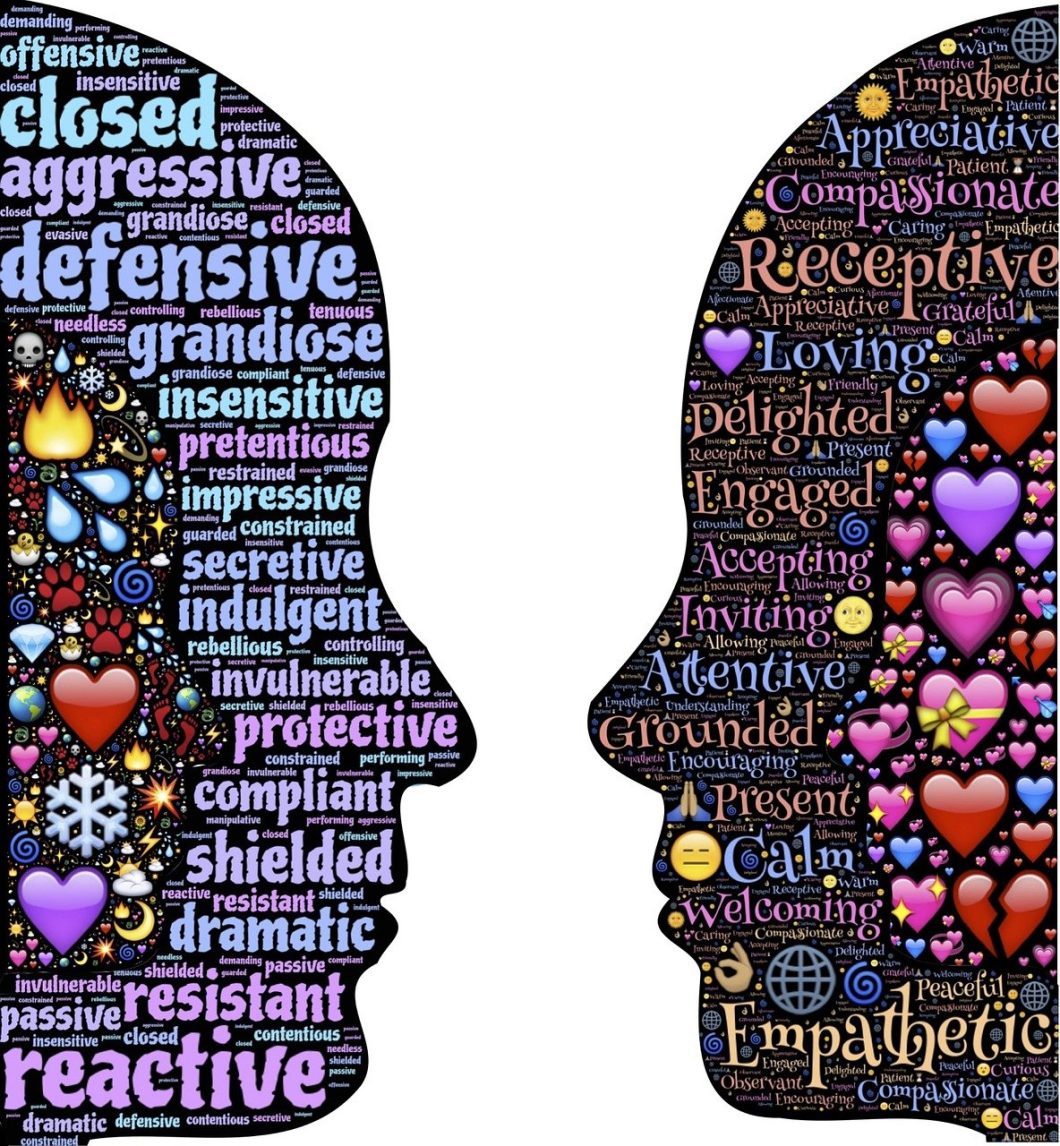
Emotional intelligence is the quiet force that shapes our relationships, our decisions, and even the way we see ourselves. It’s not loud or flashy, yet it guides how we show up in every room we enter. In a world that moves fast and reacts faster, emotional intelligence teaches us to slow down, tune in, and respond with intention. It reminds us that how we feel matters, but how we handle those feelings matters even more.
One powerful technique is learning to read the room. This means noticing energy, body language, tone, and unspoken emotions. Is someone tense? Excited? Withdrawn? When we become aware of these cues, we stop assuming and start understanding. Reading the room allows us to adjust our approach, speak with sensitivity, and avoid unnecessary conflict. It builds empathy and helps us connect on a deeper level, because people feel seen, even when they haven’t said a word.
The second technique is truly listening. Not just waiting for our turn to talk, but listening to understand. When we give someone our full attention, we communicate respect and care. Listening helps us learn perspectives different from our own, strengthens trust, and prevents misunderstandings. In a world full of noise, being a good listener is rare, and incredibly powerful. It can turn simple conversations into meaningful connections.
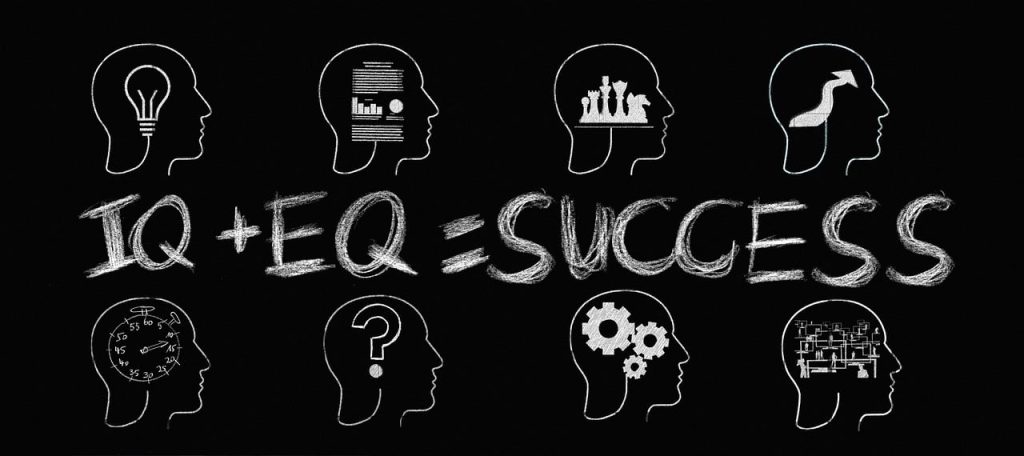
Then there’s the simplest yet most underrated tool: taking three short deep breaths before responding. This tiny pause can change everything. Breathing gives your mind a moment to settle and your emotions time to cool. It prevents reactive words you might regret and creates space for thoughtful responses. Those three breaths act like a reset button, reminding you that you’re in control, even in intense situations, for example, someone agitating you in a work setting or on a collaborative project.
Practicing these techniques often is how emotional intelligence grows. Like a muscle, it strengthens with use. The more you read the room, listen deeply, and breathe before reacting, the more natural it becomes. And over time, you’ll notice the shift: stronger relationships, calmer reactions, and a deeper understanding of yourself. Emotional intelligence isn’t about being perfect, it’s about being present. And when you choose presence, you choose power.